
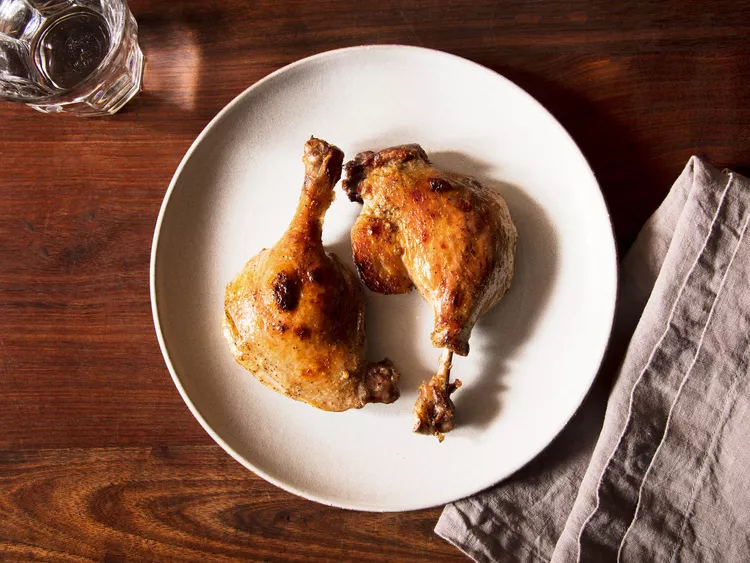
Sous vide duck thighs deliver one of the most luxurious textures you can achieve in the kitchen. When cooks debate time and temperature, they usually talk about sous vide duck confit, not just a cooked duck leg. Confit relies on long, gentle cooking that breaks down connective tissue and transforms tough duck thighs into silky, fall-apart meat.
Why Sous Vide Works So Well for Duck Thighs
Sous vide cooking gives you precise temperature control, which makes it ideal for duck thighs. Inside a sealed bag, duck renders its own fat during the cook. That fat gently bastes the meat, so you do not need to submerge the thighs in added duck fat. The result tastes rich, tender, and clean, with minimal effort.
Unlike roasting or braising, sous vide keeps the meat evenly cooked from edge to edge. You avoid dryness while still achieving the classic confit texture people love.
Best Time and Temperature for Sous Vide Duck Thighs
Cooks test many combinations, but 155°F (68°C) for 36 hours consistently produces the best results. At this temperature, collagen fully breaks down, and the meat turns spoon-tender without becoming stringy. Shorter cooks, such as 12 or 16 hours, still taste good, but they do not reach the same level of silkiness. Higher temperatures, like 165–170°F, cook faster but often create a fibrous texture.
Professional kitchens and serious home cooks agree: 155°F for 36 hours hits the sweet spot.
Texture, Flavor, and Duck Fat
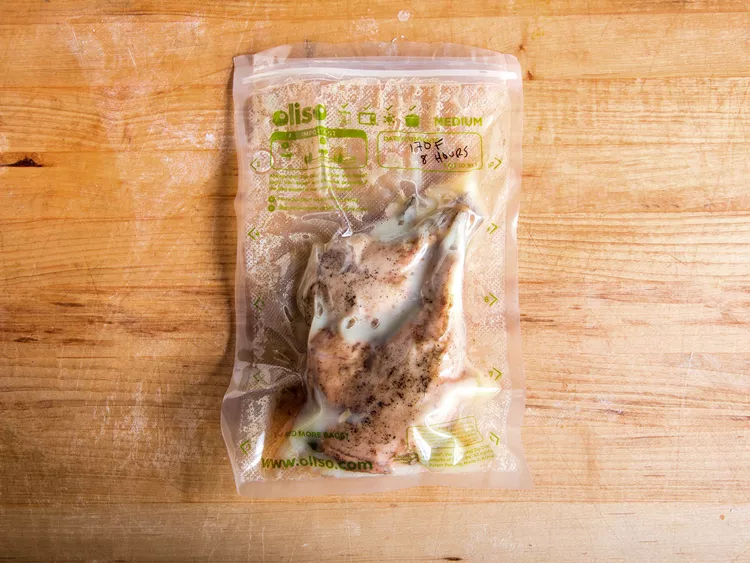
After a long sous vide cook, the duck thigh becomes incredibly soft. You can touch it with a spoon, and the meat will release from the bone. The bag collects a generous amount of rendered duck fat, which you can save for roasting potatoes, vegetables, or future confit batches.
The small oyster pieces on the back of the thigh turn especially rich and flavorful. When you crisp the skin, these bites become pure gold.
How to Finish Sous Vide Duck Thighs
Sous vide cooks the meat perfectly, but you still need to crisp the skin. For best results, chill the cooked thighs first. Cold skin crisps faster and more evenly. Then broil or pan-sear the thighs skin-side down until golden and crackling. This step restores contrast without overcooking the meat.
Batch Cooking and Storage
Sous vide duck thighs work perfectly for batch cooking. You can seal two thighs per bag, cook them all at once, and freeze them after cooking. When you want to serve, reheat them sous vide from frozen, then crisp the skin. This method delivers restaurant-quality duck confit in under 40 minutes.
Is Sous Vide Duck Confit Safe?
Sous vide duck confit focuses on texture, not long-term preservation. You should refrigerate cooked duck thighs and consume them within one to two weeks. Avoid aging them for months, as traditional confit once did, to reduce food safety risks.
Final Thoughts on Sous Vide Duck Thighs
Sous vide duck thighs offer unmatched tenderness, consistency, and flavor. With a simple seasoning, precise temperature, and enough time, you can create duck confit that rivals Michelin-star kitchens. If you want duck thighs that melt in your mouth every single time, sous vide delivers.