
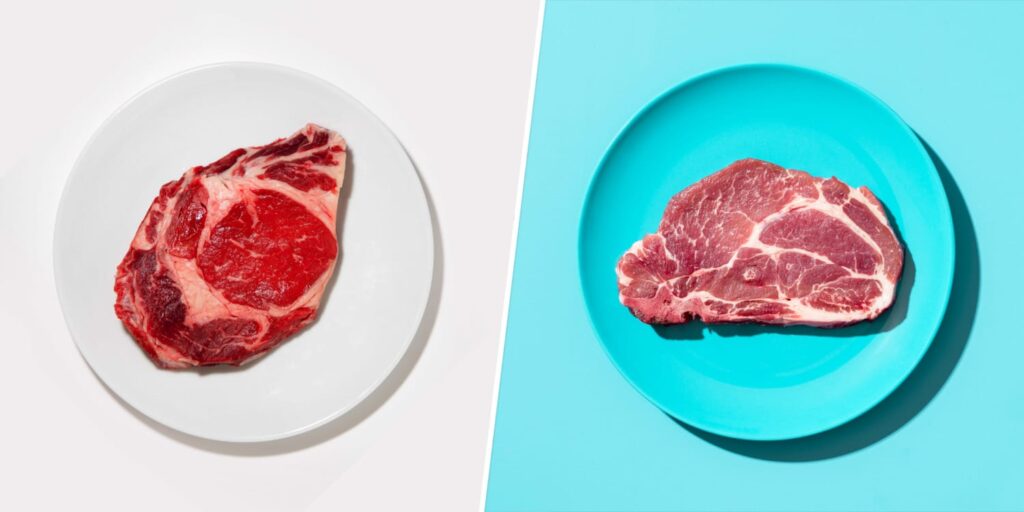
When choosing red meat, many people ask: pork vs beef, which is healthier? The truth is that neither pork nor beef is universally “better.” Both deliver high-quality protein and essential nutrients, but each shines in different areas. Your health goals, budget, and preferred cuts should guide your choice.
Protein Power: Pork and Beef Compared
Both pork and beef act as complete protein sources, meaning they provide all nine essential amino acids. A 3 to 4 ounce serving of either meat delivers around 22 to 26 grams of protein, which supports muscle repair, growth, and satiety. Beef contains slightly more leucine, which helps stimulate muscle protein synthesis, making it popular among athletes.
Key Nutritional Differences
Beef stands out as a rich source of heme iron and vitamin B12, both vital for oxygen transport, energy levels, and nerve health. This makes beef especially beneficial for athletes and individuals at risk of iron deficiency.
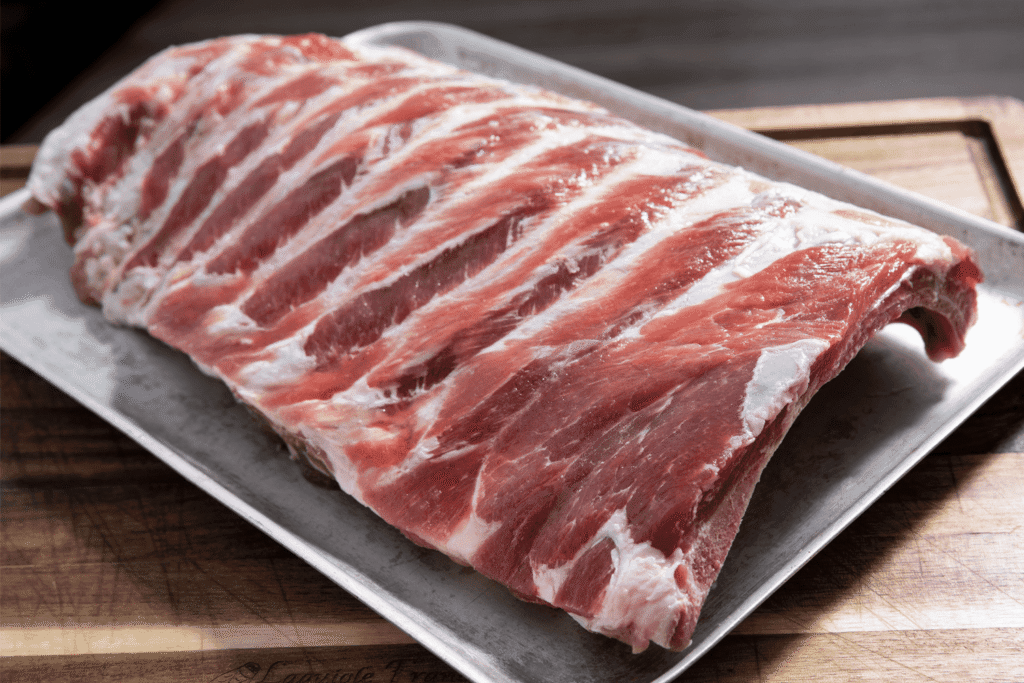
Pork excels in thiamine (vitamin B1), which supports energy metabolism and brain function. Lean pork also supplies zinc and B vitamins while often containing fewer calories than many beef cuts.
Fat Content and Calories
Lean pork cuts, such as pork tenderloin and loin, rank among the leanest meats available, comparable to skinless chicken breast. These cuts suit weight management goals well.
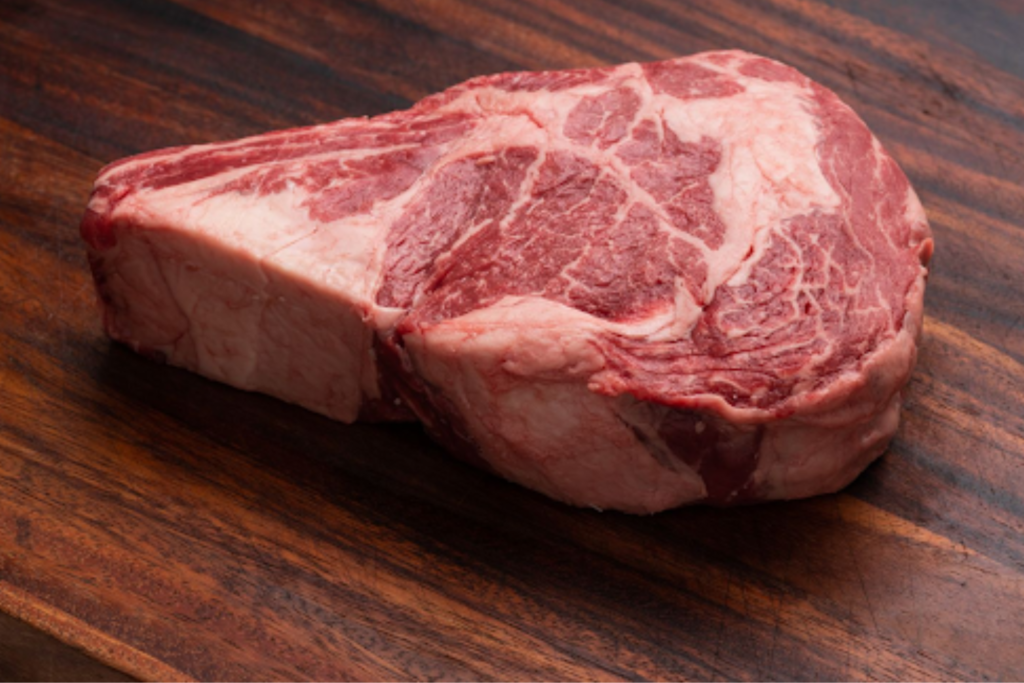
Beef varies widely in fat content. Lean beef cuts like sirloin, round, and 90% lean ground beef provide excellent nutrition with controlled saturated fat. Fattier cuts like ribeye increase calorie and saturated fat intake.
Healthiest Cuts to Choose
For pork, choose tenderloin, loin chops, and sirloin cuts. These offer high protein with minimal fat.
For beef, select round, loin, flank steak, or lean ground beef. Choose Select or Choice grades over Prime for less fat.
Pork vs Beef for Specific Goals
- Weight loss: Lean pork tenderloin provides fewer calories
- Iron and endurance: Beef supplies more absorbable iron
- Energy metabolism: Pork delivers more vitamin B1
- Muscle support: Both meats work well when eaten in proper portions
Cooking and Health Considerations
Cooking methods strongly affect nutrition. Grilling, roasting, broiling, air frying, and sautéing with minimal oil preserve nutrients and limit added fat. Always cook pork and beef thoroughly to reduce food safety risks.
Limit processed meats such as bacon, ham, and cured beef. These products contain high sodium and preservatives that may increase health risks when eaten frequently.
How Much Pork or Beef Should You Eat?
Experts recommend moderation. Aim for 3 to 4 ounce portions and limit red meat intake to about 8 ounces per week. Balance meals with vegetables, whole grains, and other protein sources like fish and legumes.
Final Verdict: Pork or Beef?
Neither pork nor beef wins outright. Lean cuts, portion control, and healthy cooking methods matter most. Pork works well for lower-calorie meals, while beef supports iron and B12 needs. When eaten in moderation and combined with a balanced diet, both pork and beef fit into a healthy lifestyle.